Workshop Facilitation
Solve everyday challenges
A workshop is only powerful if it’s aiming to solve a specific problem. Here are a few of the common reasons why you should consider a workshop for your team.



…and so much more!
Workshop methods
My favorite methods for practicing Human-Centered Design, organized by three key design skills.
Observing
Observing Human Experience
ETHNOGRAPHIC RESEARCH
Interviewing
Fly-on-the-Wall Observation
Contextual Inquiry
Walk-a-Mile Immersion
PARTICIPATORY RESEARCH
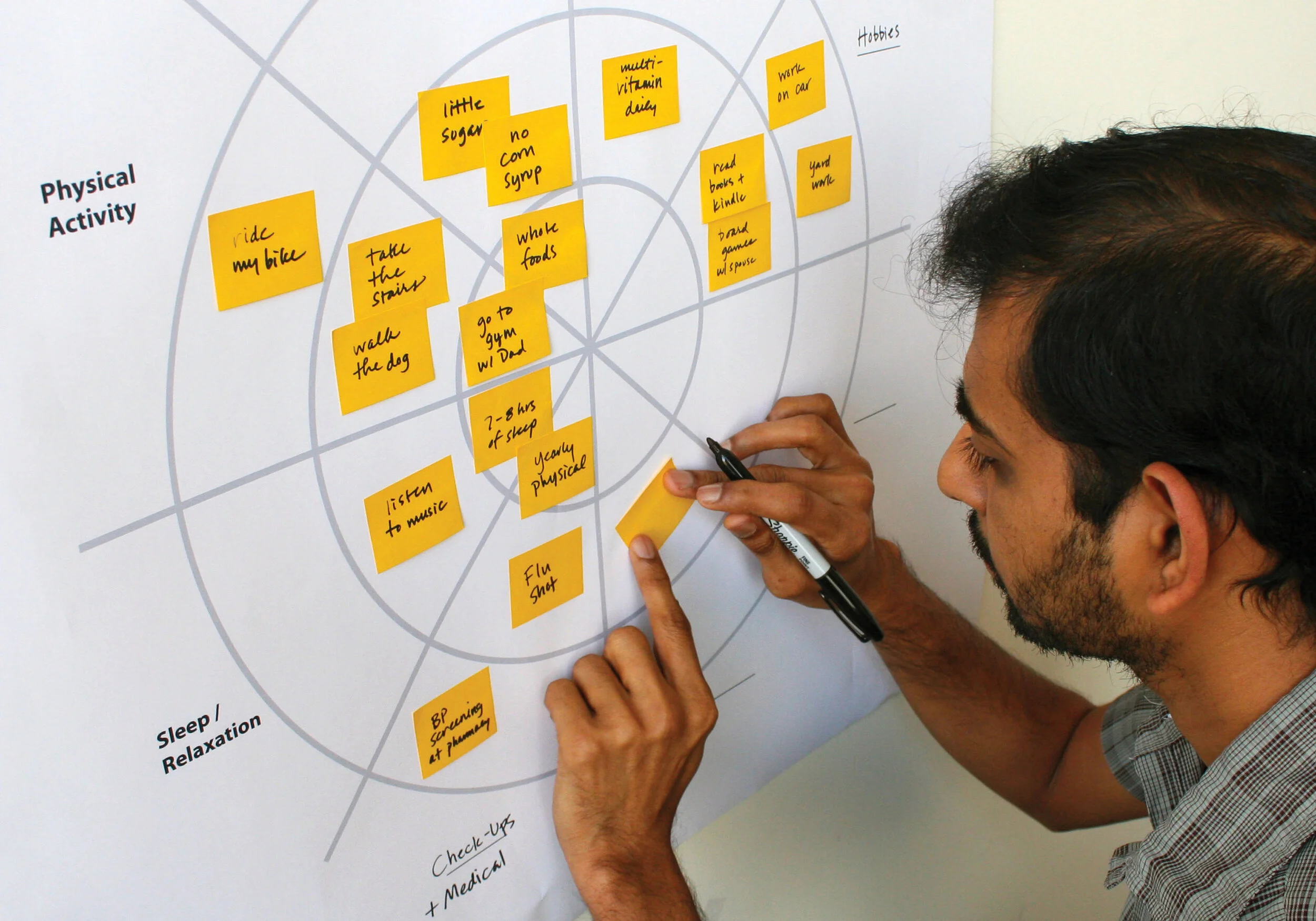
What's on Your Radar?
Buy a Feature
Build Your Own
Journaling
EVALUATIVE RESEARCH
Think-Aloud Testing
Heuristic Review
Critique
System Usability Scale
Understanding
Analyzing Challenges & Opportunities
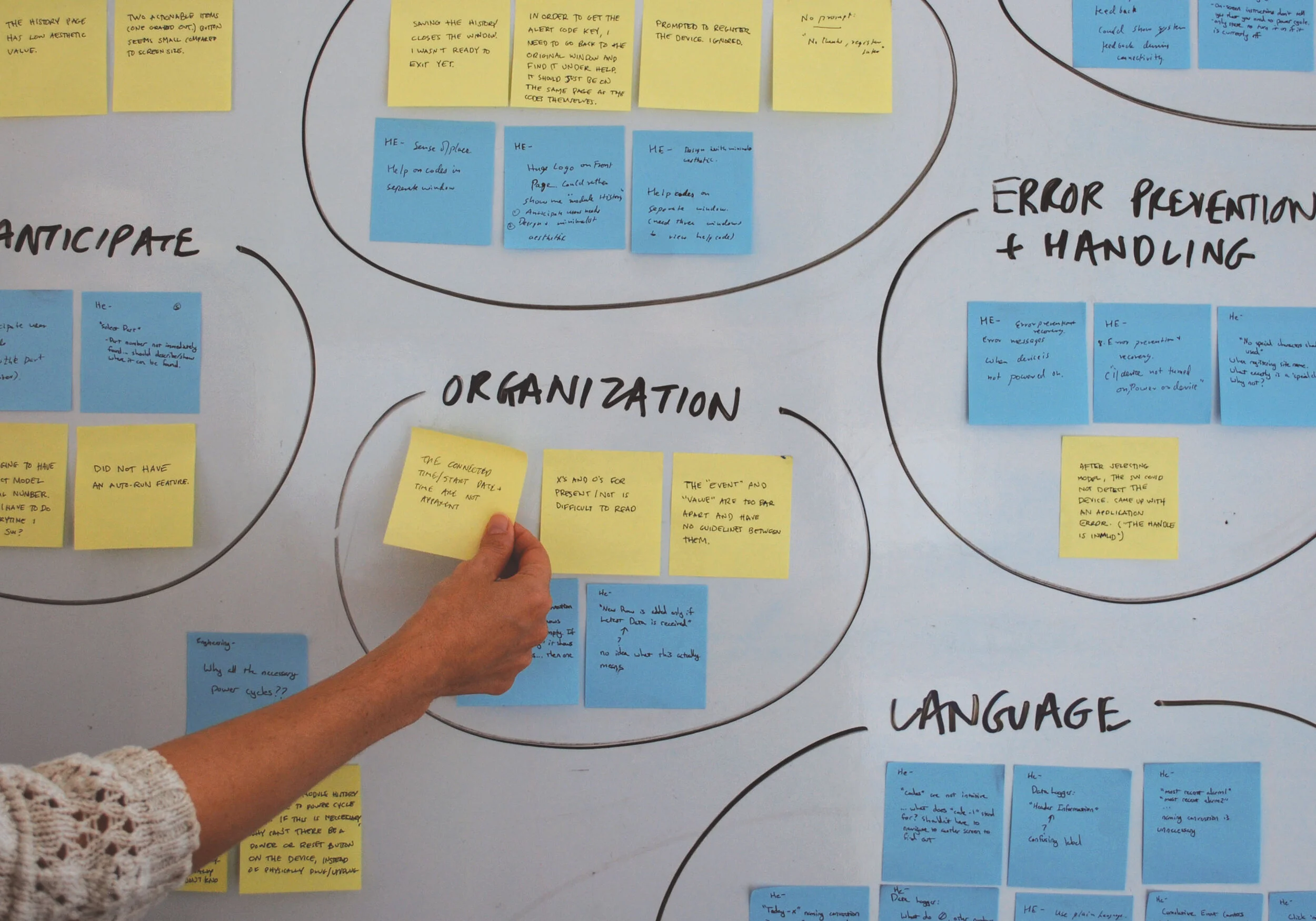
PEOPLE & SYSTEMS
Stakeholder Mapping
Persona Profile
Experience Diagramming
Concept Mapping
PATTERNS & PRIORITIES
Affinity Clustering
Bull's-eye Diagramming
Importance/Difficulty Matrix
Visualize the Vote
PROBLEM FRAMING
Problem Tree Analysis
Statement Starters
Abstraction Laddering
Rose, Thorn, Bud
Making
Envisioning Future Possibilities
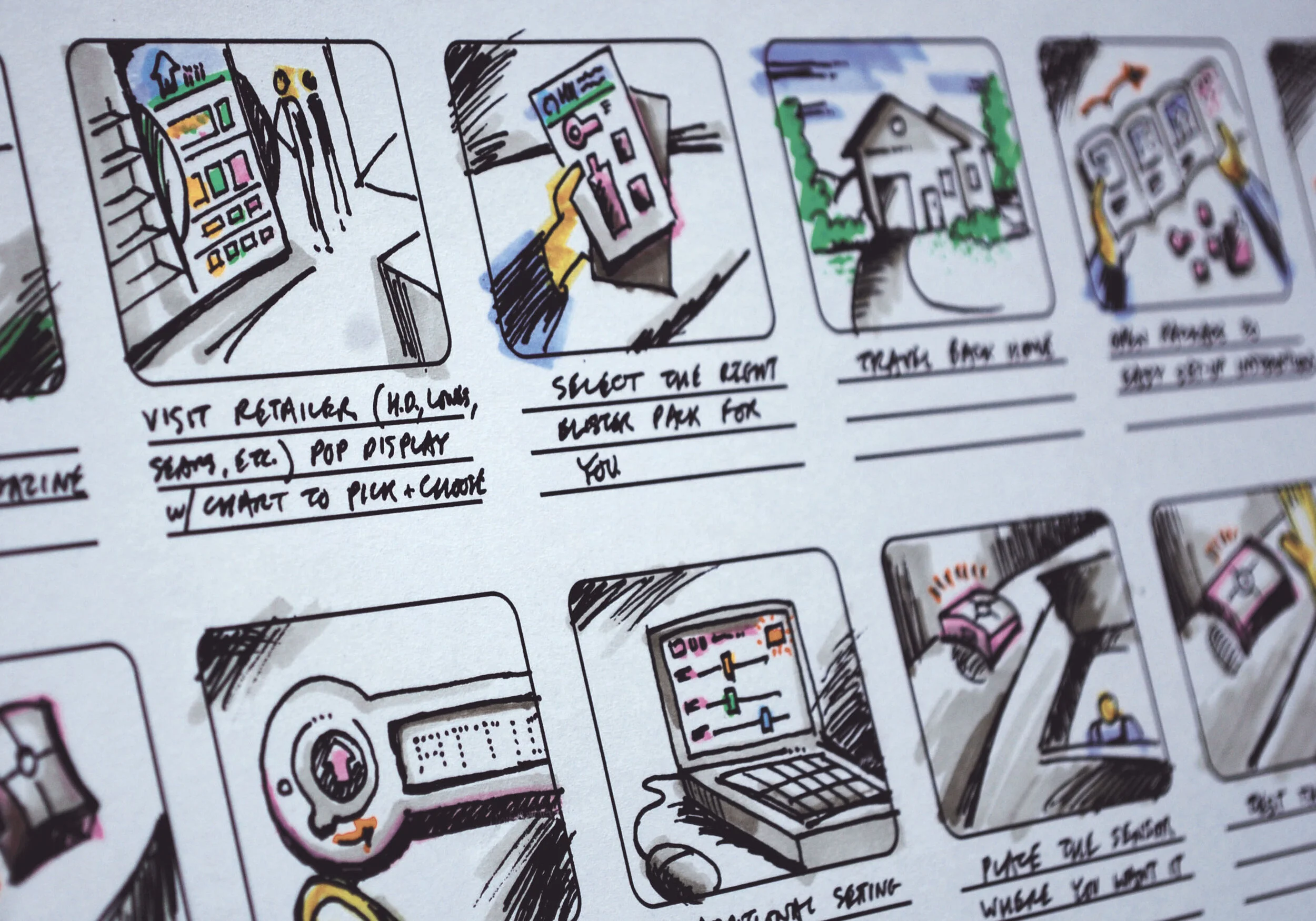
CONCEPT IDEATION
Thumbnail Sketching
Creative Matrix
Round Robin
Alternative Worlds
MODELING & PROTOTYPING
Storyboarding
Schematic Diagramming
Rough & Ready Prototyping
Appearance Modeling
DESIGN RATIONALE
Concept Poster
Video Scenario
Cover Story Mock-up
Quick Reference Guide
Facilitation matters
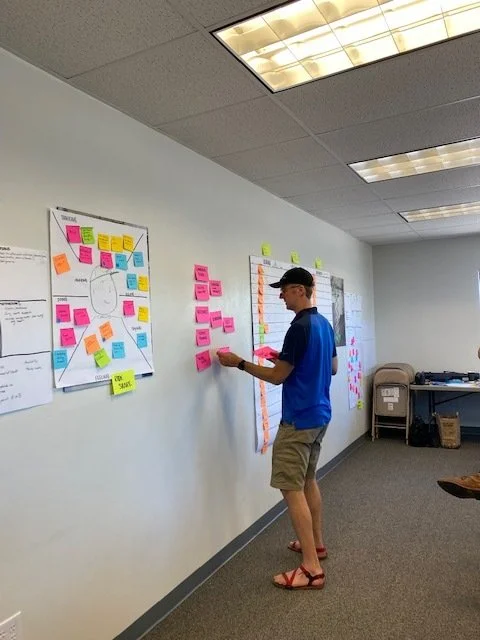
Facilitation is all about helping the group do efficient, meaningful work. It's about making sure everyone in the room gets heard, and making sure there's an actionable outcome every time a group comes together.
I’ve facilitated dozens of successful workshops with and stay updated with the latest in creative problem solving techniques.
The guide, not the hero
Good planning and time management
Good listener
Quick on my feet
High energy level
Outcome-oriented